
What Makes a Good Website Template? 10 Things to Look For Before Buying
November 5, 2026 | by Team Pixeliio

Choosing a website template is about more than finding a design that looks attractive.
A template should provide a useful structure, support your website goals, work across different devices, and offer enough flexibility for your brand.
With so many templates available across different platforms, knowing what to look for can help you make a better purchasing decision.
Here are ten important things to consider before buying a website template.
1. A Design That Fits Your Business
The first thing to consider is whether the template matches your business and target audience.
A template designed for a creative agency may not be suitable for a medical clinic or a construction company.
Look for a design that reflects the type of business you operate and the impression you want to create.
You can change colors and images, but choosing a suitable starting design can save considerable customization work.
2. Responsive Layouts
Your website should provide a good experience on desktops, tablets, and smartphones.
A responsive template adjusts its layout to different screen sizes so that visitors can navigate and read your content comfortably.
Before purchasing, check whether the template includes mobile and tablet layouts. If possible, preview the actual pages at different screen sizes.
3. The Right Pages and Sections
A template should include the pages and sections relevant to your project.
For example, a service business may need:
- Homepage.
- About page.
- Services page.
- Individual service details.
- Contact page.
- FAQ page.
An ecommerce website will have different requirements, such as product pages, collection layouts, and shopping-related features.
Check the complete page list rather than judging a template only by its homepage.
4. Customization Flexibility
Your website should represent your brand rather than look exactly like a template demo.
Look for templates that allow you to customize important design elements, including:
- Colors and typography.
- Images and text.
- Page sections.
- Navigation menus.
- Buttons and links.
- Layouts and spacing.
The available options depend on the platform and template structure.
5. Easy-to-Use Structure
A good template should have a logical structure that makes it easier to understand and customize.
Pay attention to how sections, components, pages, and reusable elements are organized.
A confusing structure can make even simple changes difficult, particularly if you are new to the platform.
If the provider offers setup documentation, review it before purchasing.
6. Clear Navigation
Navigation helps visitors find important information on your website.
A good template should provide a clear menu structure and make important pages easy to access.
Avoid designs that rely on complicated navigation or hide essential information behind too many interactions.
The goal is to help visitors find what they need with minimal effort.
7. Performance Considerations
A visually impressive website should also provide a smooth browsing experience.
Large images, unnecessary animations, excessive effects, and poorly optimized assets can affect loading performance.
Check whether the template uses images and visual elements appropriately.
Remember that the final website’s performance also depends on your content, customizations, integrations, hosting, and platform configuration. A template alone cannot guarantee a particular loading speed.
8. SEO-Friendly Structure
A website template should give you a sensible foundation for organizing content.
Look for features such as:
- Logical heading structure.
- Descriptive page URLs.
- Editable page titles and meta descriptions.
- Image alt text support.
- Internal linking opportunities.
- Mobile-friendly layouts.
SEO depends on many factors beyond the template, including content quality, technical setup, competition, and ongoing optimization.
A well-structured template can help, but it does not guarantee search rankings.
9. Platform Compatibility and Features
Every template is designed for a particular platform.
Before purchasing, confirm that the template is compatible with the website builder you intend to use.
Also check whether it supports the features your website needs.
For example, a Webflow template may include CMS collections, while a Shopify theme is designed around ecommerce functionality. These features are not interchangeable across platforms.
10. Licensing, Support, and Documentation
Finally, understand what you are purchasing and what happens after the purchase.
Check:
- How many websites you can use the template on.
- Whether client projects are permitted.
- Whether additional licenses are required.
- What documentation is included.
- What type of support is available.
- Whether updates are included.
- What the refund policy covers.
Never assume that every template has the same license or support conditions. Read the provider’s terms before purchasing.
Common Mistakes to Avoid When Buying a Website Template
Even after considering the points above, buyers sometimes make decisions based only on appearance.
Here are a few mistakes worth avoiding:
Choosing only by the demo homepage: Review the complete template, including its inner pages and mobile layouts.
Ignoring platform requirements: Make sure the template works with the platform you plan to use.
Assuming everything is included: Check whether images, fonts, integrations, and other assets are included or require separate purchases.
Overlooking licensing: Confirm that the license allows your intended website usage.
Expecting a template to handle everything: You may still need to write content, configure integrations, optimize images, and customize the design.
Final Thoughts
A good website template should combine attractive design with practical structure, responsive layouts, customization options, and clear licensing.
Take time to review the full demo, understand the included features, and compare the template with your actual requirements.
The right template can provide a strong foundation for your website and make the entire building process more manageable.

Our Featured Templates
Templates Designed to Help Your Business Stand Out
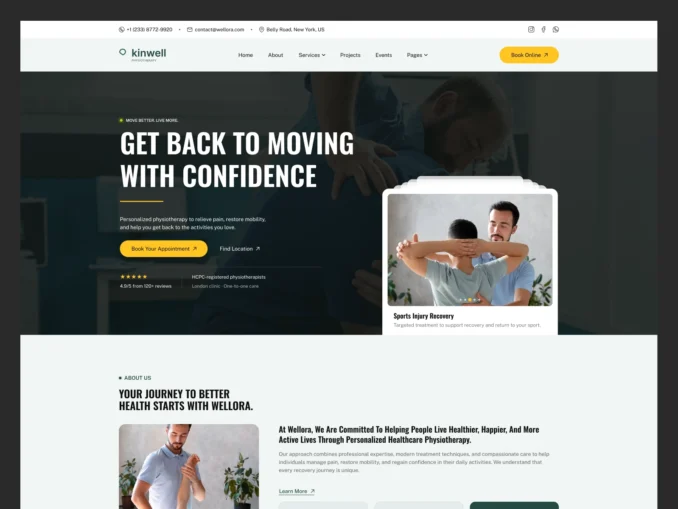
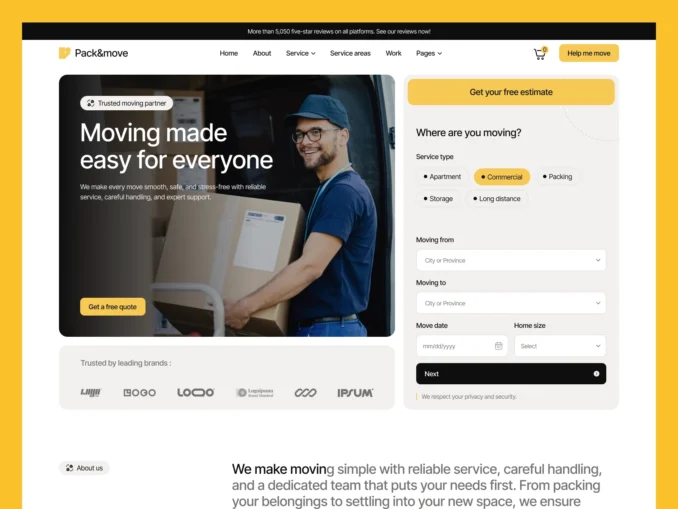
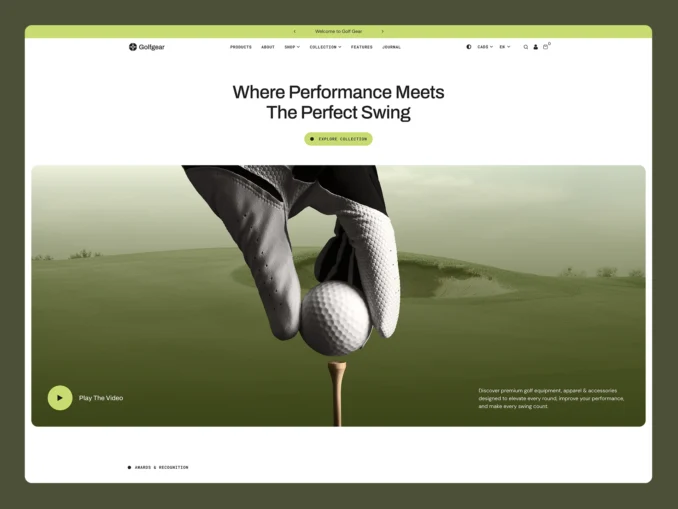
From online stores to service businesses, our templates provide a strong foundation with modern design, intuitive user experience, and flexible customization options.
Easy Setup & Dedicated Support
Easy Documentation When You Need It,
Expert Help When You Don't
Every template includes clear, step by step documentation to help you get your website up and running quickly. If you’d rather focus on your business instead of setup and customization, our team can help you get everything ready for launch.
Customer Success Stories
Trusted by Businesses Around the World

Mia Thompson
“The attention to detail throughout the template is impressive. Everything works seamlessly and the overall user experience is excellent.”

Mia Thompson
“As a small business owner, I needed something professional and affordable. This template delivered both while remaining easy to customize.”

Mia Thompson
“Our previous website looked outdated. This template completely transformed our online presence and gave our brand a fresh appearance.”

Mia Thompson
“The combination of great design and practical functionality made this template an easy choice. It helped us launch with confidence.”

Mia Thompson
“Everything felt carefully planned and professionally executed. We were able to focus on our business while the template handled the rest.”

Mia Thompson
“Finding a high quality template isn’t easy, but this one stood out immediately. It saved us time and delivered excellent results.”